How to Prevent Condensation Problems in Tallahassee HVAC Systems
Preventing HVAC condensation in Tallahassee requires proper insulation of ductwork, regular maintenance of drain pans and lines, and humidity control through correctly sized equipment. With year-round humidity averaging 70-80%, these preventive measures are essential for avoiding water damage and maintaining system efficiency.
Understanding Condensation in Tallahassee's Climate
Tallahassee's hot, humid climate creates perfect conditions for condensation problems in HVAC systems. When warm, moisture-laden air contacts cold surfaces like evaporator coils or ductwork, water droplets form. This natural process becomes problematic when drainage systems fail or insulation is inadequate.
The city's average July highs around 91°F combined with frequent afternoon thunderstorms create significant cooling loads. Your HVAC system works harder to remove both heat and humidity, increasing the likelihood of condensation issues if not properly maintained.
Essential Prevention Strategies
Proper Ductwork Insulation
Insulating your ductwork is crucial to prevent HVAC condensation in Tallahassee. Cold air traveling through uninsulated ducts in hot attics or crawl spaces creates condensation on the exterior surfaces. Use R-6 or higher insulation with vapor barriers to maintain consistent temperatures.
Pay special attention to supply ducts in unconditioned spaces. Even small gaps in insulation can lead to significant moisture problems over time.
Regular Drain Line Maintenance
Your HVAC system's condensate drain line removes moisture collected by the evaporator coil. In Tallahassee's humid environment, these lines can clog with algae, mold, or debris. Schedule professional cleaning every six months to prevent backups that cause water damage.
Install drain line safety switches that shut down your system if water levels become too high. This simple device can save thousands in water damage repairs.
Humidity Control Solutions
Maintaining indoor humidity between 30-50% helps prevent condensation while ensuring comfort. Oversized HVAC systems common in neighborhoods like Killearn Estates may cool quickly without adequate dehumidification, leading to condensation problems.
Consider supplemental dehumidification if your current system struggles to control humidity levels. Whole-house dehumidifiers work alongside your HVAC system to maintain optimal moisture levels year-round.
Air Filtration and Airflow
Clean air filters ensure proper airflow across evaporator coils, preventing ice formation that leads to excessive condensation when melting. Replace filters monthly during peak cooling season and check them regularly during milder months.
Blocked return vents or closed supply registers can restrict airflow, causing coil temperatures to drop below optimal levels. Ensure all vents remain unobstructed for proper system operation.
Professional Maintenance Requirements
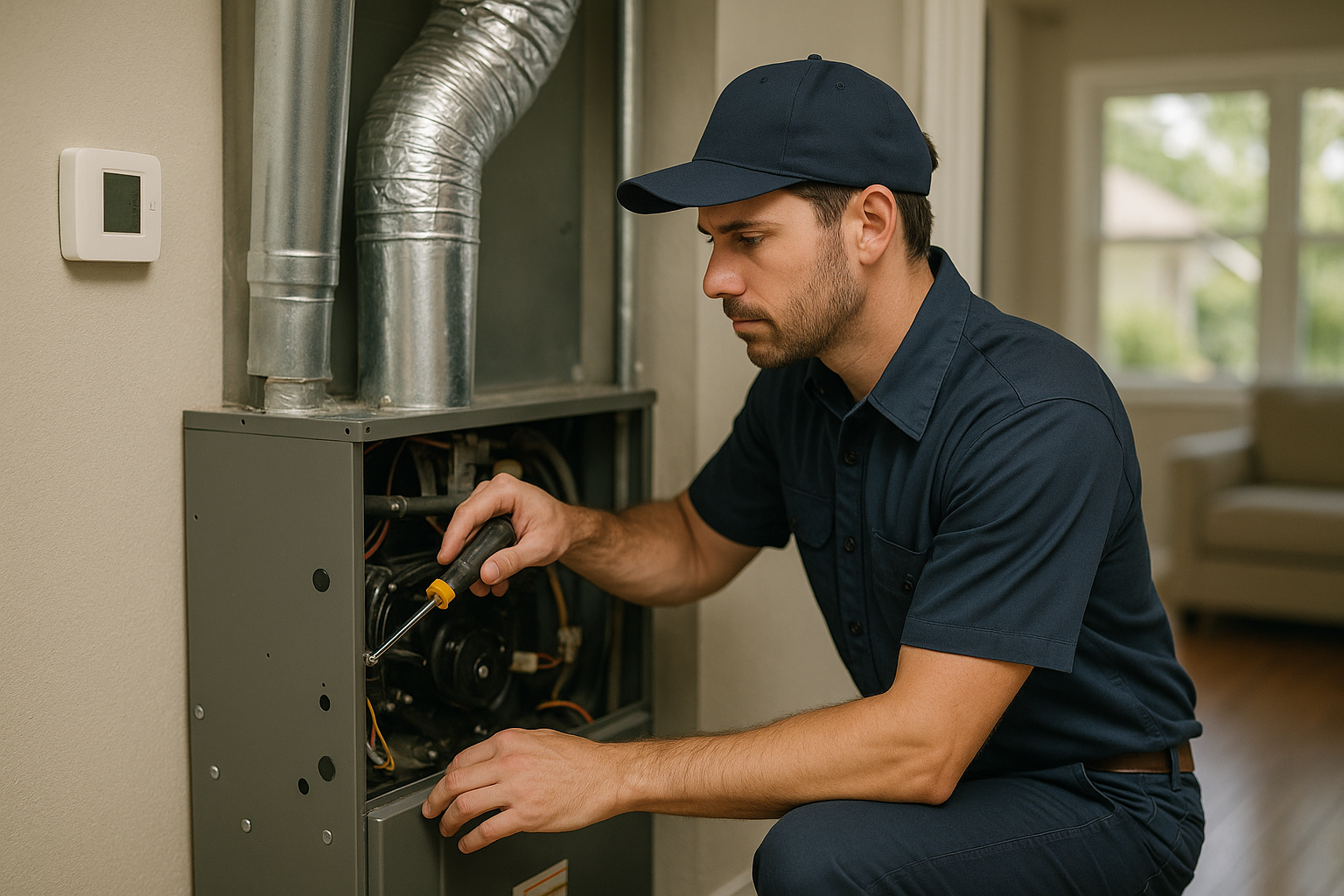
Annual professional maintenance is essential to prevent HVAC condensation in Tallahassee's challenging climate. Technicians inspect drain pans for cracks, clean coils, check refrigerant levels, and verify proper system operation.
During maintenance visits, professionals also examine ductwork insulation, test safety switches, and calibrate humidity controls. These preventive measures identify potential problems before they cause expensive damage.
In areas like Southwood where newer construction may have different insulation standards, professional assessment ensures your system meets current efficiency requirements while preventing condensation issues.
When to Call Professionals
Contact HVAC professionals immediately if you notice water stains around vents, musty odors, or visible moisture on ductwork. These signs indicate existing condensation problems requiring prompt attention.
Our network of qualified Tallahassee HVAC contractors can assess your system, identify condensation risks, and implement effective solutions. Don't wait for minor moisture issues to become major problems requiring extensive repairs.
Frequently Asked Questions
- Why is condensation more common in Tallahassee HVAC systems?
- Tallahassee's year-round humidity averaging 70-80% combined with hot summers creates ideal conditions for condensation when warm, moist air contacts cold HVAC components like coils and ductwork.
- How often should I clean my HVAC drain line in Tallahassee?
- Clean condensate drain lines every six months in Tallahassee's humid climate. High moisture levels promote algae and mold growth that can quickly clog drainage systems.
- What insulation level prevents ductwork condensation in Florida?
- Use R-6 or higher insulation with vapor barriers on ductwork in unconditioned spaces. This prevents cold air ducts from reaching dew point temperatures in hot attics.
- Can oversized HVAC systems cause condensation problems?
- Yes, oversized systems cool quickly without adequate dehumidification, leaving indoor humidity high. This creates conditions for condensation on cold surfaces throughout your home.
- What humidity level prevents HVAC condensation issues?
- Maintain indoor humidity between 30-50% to prevent condensation while ensuring comfort. Use whole-house dehumidifiers if your HVAC system struggles with humidity control.
About the author: Marcus Chen, Editor, Hvac Pros of Tallahassee. Marcus has spent over a decade researching home comfort systems and energy efficiency solutions for Florida homeowners. He's dedicated years to understanding the unique HVAC challenges in Tallahassee's humid climate and helping residents make informed decisions about their heating and cooling needs. His work focuses on translating complex technical information into practical guidance for homeowners.
More hvac guides for Tallahassee
Need hvac help in Tallahassee?
Get matched with a vetted local pro — free, no obligation.